Chronic abdominal pain is a common yet often confusing condition that affects people of all ages. Unlike occasional stomach discomfort, this type of pain persists for weeks or even months, interfering with daily life and overall well being. Understanding the root causes is essential for effective treatment and long term relief.
Chronic abdominal pain can present in different ways. Some people experience dull, constant discomfort, while others may have sharp, intermittent pain. The location, intensity, and duration of the pain often provide important clues about the underlying condition.
What Is Chronic Abdominal Pain
Chronic abdominal pain refers to pain in the stomach area that lasts for more than three months. It may be continuous or come and go over time. This type of pain should never be ignored, as it can signal underlying digestive or systemic health issues.
Common symptoms that accompany persistent abdominal pain include bloating, gas, nausea, vomiting, constipation, diarrhea, and changes in appetite or weight.
Common Causes of Chronic Abdominal Pain
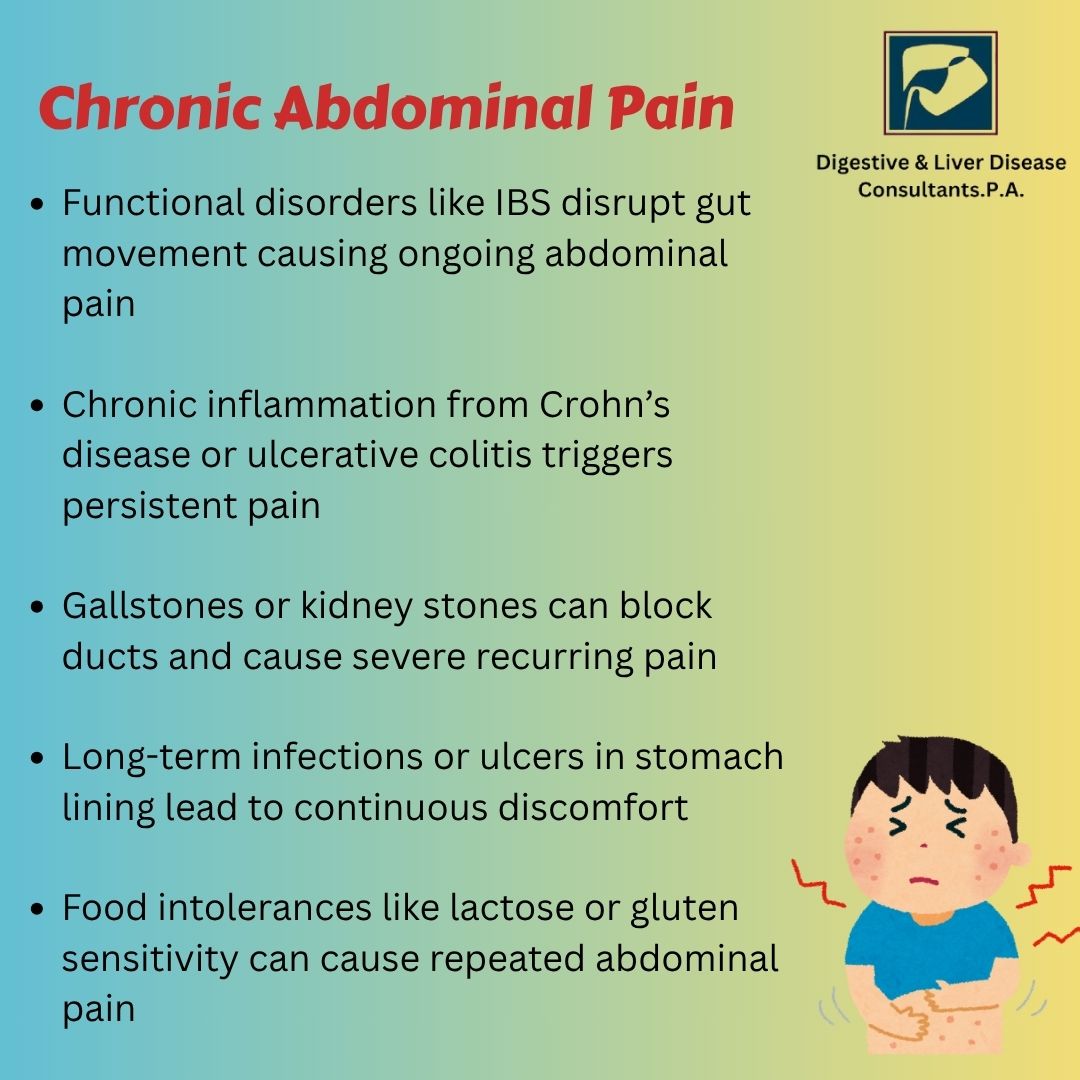
There are several possible chronic abdominal pain causes, ranging from mild digestive issues to more serious medical conditions.
1. Irritable Bowel Syndrome
Irritable bowel syndrome is one of the most frequent causes of long term stomach pain. It affects how the intestines function and can lead to cramping, bloating, diarrhea, or constipation.
Triggers often include stress, certain foods, and hormonal changes. Although it is not life threatening, it can significantly impact quality of life.
2. Gastroesophageal Reflux Disease
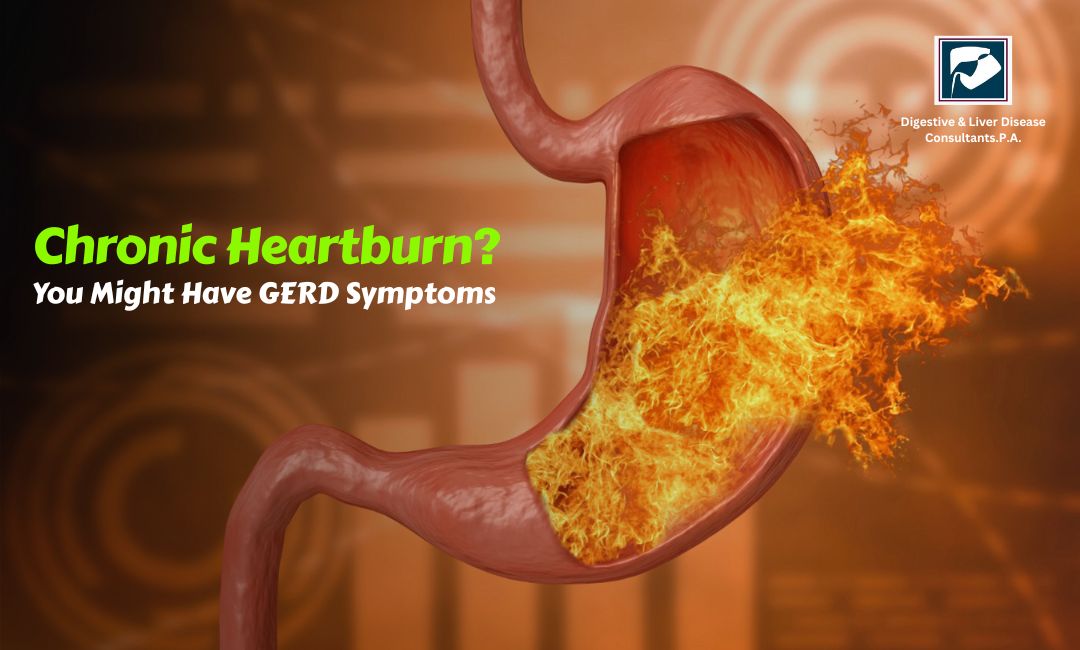
Persistent abdominal pain can sometimes be linked to acid reflux. Gastroesophageal reflux disease occurs when stomach acid flows back into the esophagus, causing a burning sensation and discomfort in the upper abdomen.
Symptoms may worsen after meals or while lying down.
3. Peptic Ulcers
Peptic ulcers are sores that develop on the lining of the stomach or small intestine. They are a major cause of chronic belly pain and are often associated with bacterial infection or prolonged use of certain medications.
Pain from ulcers is usually described as burning and may improve or worsen after eating.
4. Gallbladder Disorders
Gallstones or inflammation of the gallbladder can lead to recurring abdominal pain, especially in the upper right side of the abdomen. The pain may be triggered after consuming fatty foods and can sometimes radiate to the back or shoulder.
5. Chronic Pancreatitis
Chronic inflammation of the pancreas can cause severe and persistent abdominal pain. This condition is often linked to long term alcohol use or genetic factors.
Pain is usually located in the upper abdomen and may spread to the back, often worsening after meals.
6. Inflammatory Bowel Disease
Conditions like Crohn’s disease and ulcerative colitis fall under inflammatory bowel disease. These conditions cause ongoing inflammation in the digestive tract and are significant causes of stomach pain.
Symptoms include diarrhea, weight loss, fatigue, and blood in the stool.
7. Food Intolerances
Certain individuals experience long term stomach pain due to food intolerances such as lactose intolerance or gluten sensitivity. These conditions can cause bloating, cramps, and discomfort after eating specific foods.
Identifying and avoiding trigger foods can help manage symptoms effectively.
8. Constipation
Chronic constipation is another overlooked cause of persistent abdominal pain. When bowel movements are infrequent or difficult, it can lead to bloating, discomfort, and pressure in the abdomen.
Lifestyle factors like low fiber intake, dehydration, and lack of physical activity often contribute to this condition.
9. Abdominal Hernias
A hernia occurs when an internal organ pushes through a weak spot in the abdominal muscles. This can result in visible swelling and ongoing discomfort, especially during physical activity or lifting.
10. Gynecological Conditions
In women, chronic abdominal pain may be linked to conditions such as endometriosis, ovarian cysts, or pelvic inflammatory disease. These conditions often require specialized evaluation and treatment.
When Should You See a Doctor
While mild abdominal discomfort may resolve on its own, certain symptoms require immediate medical attention. These include severe pain, unexplained weight loss, persistent vomiting, blood in stool, or difficulty swallowing.
If you are experiencing persistent abdominal pain that lasts for several weeks, it is important to seek medical evaluation to identify the underlying cause.
How Is Chronic Abdominal Pain Diagnosed
Diagnosing the causes of stomach pain involves a combination of medical history, physical examination, and diagnostic tests. Doctors may recommend blood tests, imaging studies such as ultrasound or CT scan, endoscopy, or colonoscopy.
Accurate diagnosis is essential to create an effective treatment plan tailored to the patient’s condition.
Treatment Options
Treatment for chronic abdominal pain depends on the underlying cause. Common approaches include
- Medication to reduce inflammation, acid production, or infection
- Dietary changes to eliminate trigger foods
- Lifestyle modifications such as stress management and regular exercise
- Surgical intervention in severe cases
Early diagnosis and proper management can significantly improve symptoms and prevent complications.
Lifestyle Tips to Manage Chronic Abdominal Pain
In addition to medical treatment, certain lifestyle changes can help reduce long term stomach pain
- Eat smaller, balanced meals throughout the day
- Avoid spicy, fatty, and processed foods
- Stay hydrated and include fiber rich foods
- Manage stress through relaxation techniques
- Maintain a regular exercise routine
- Avoid smoking and excessive alcohol consumption
These simple steps can support digestive health and reduce the frequency of chronic belly pain.
Why Choose Digestive & Liver Disease Consultants, P. A.?
When dealing with persistent abdominal pain, choosing the right healthcare provider is crucial. Digestive & Liver Disease Consultants, P. A. offers specialized care for a wide range of gastrointestinal conditions.
The team focuses on accurate diagnosis using advanced technology and evidence based treatment plans. Patients benefit from personalized care that addresses the root cause of their symptoms rather than just temporary relief.
With experienced specialists, state of the art facilities, and a patient centered approach, Digestive & Liver Disease Consultants, P. A. ensures comprehensive care for all digestive health concerns. From routine evaluations to complex conditions, their expertise helps patients achieve long lasting relief and improved quality of life.
Conclusion
Chronic abdominal pain is not something to ignore. It can stem from various conditions, ranging from minor digestive issues to serious diseases. Understanding the chronic abdominal pain causes and seeking timely medical attention are key to effective management.
If you are experiencing long term stomach pain or persistent abdominal pain, do not delay seeking help. Early diagnosis and proper care can make a significant difference in your health and well being.
If you are struggling with chronic belly pain or unexplained digestive discomfort, consult the experts at Digestive & Liver Disease Consultants, P. A. today. Their specialized team is dedicated to identifying the causes of stomach pain and providing personalized treatment plans to help you feel better and live healthier.