Sleep is not just about rest. It plays a powerful role in maintaining overall health, especially when it comes to your digestive system. Many people focus on diet and exercise for better digestion, but often overlook one key factor: sleep. Understanding the connection between sleep and gut health can help you improve digestion, boost immunity, and enhance your overall well-being.
The Connection Between Sleep and Gut Health
The human body operates on a natural internal clock known as the circadian rhythm. This clock regulates sleep cycles, hormone release, and digestive functions. When your sleep pattern is consistent, your digestive system works smoothly. However, poor sleep disrupts this rhythm, leading to digestive issues.
The gut contains trillions of bacteria that form the gut microbiome. These bacteria help digest food, absorb nutrients, and protect against harmful pathogens. Research shows that sleep and gut health are closely linked. When sleep is compromised, the balance of these bacteria is affected, which can lead to inflammation and digestive discomfort.
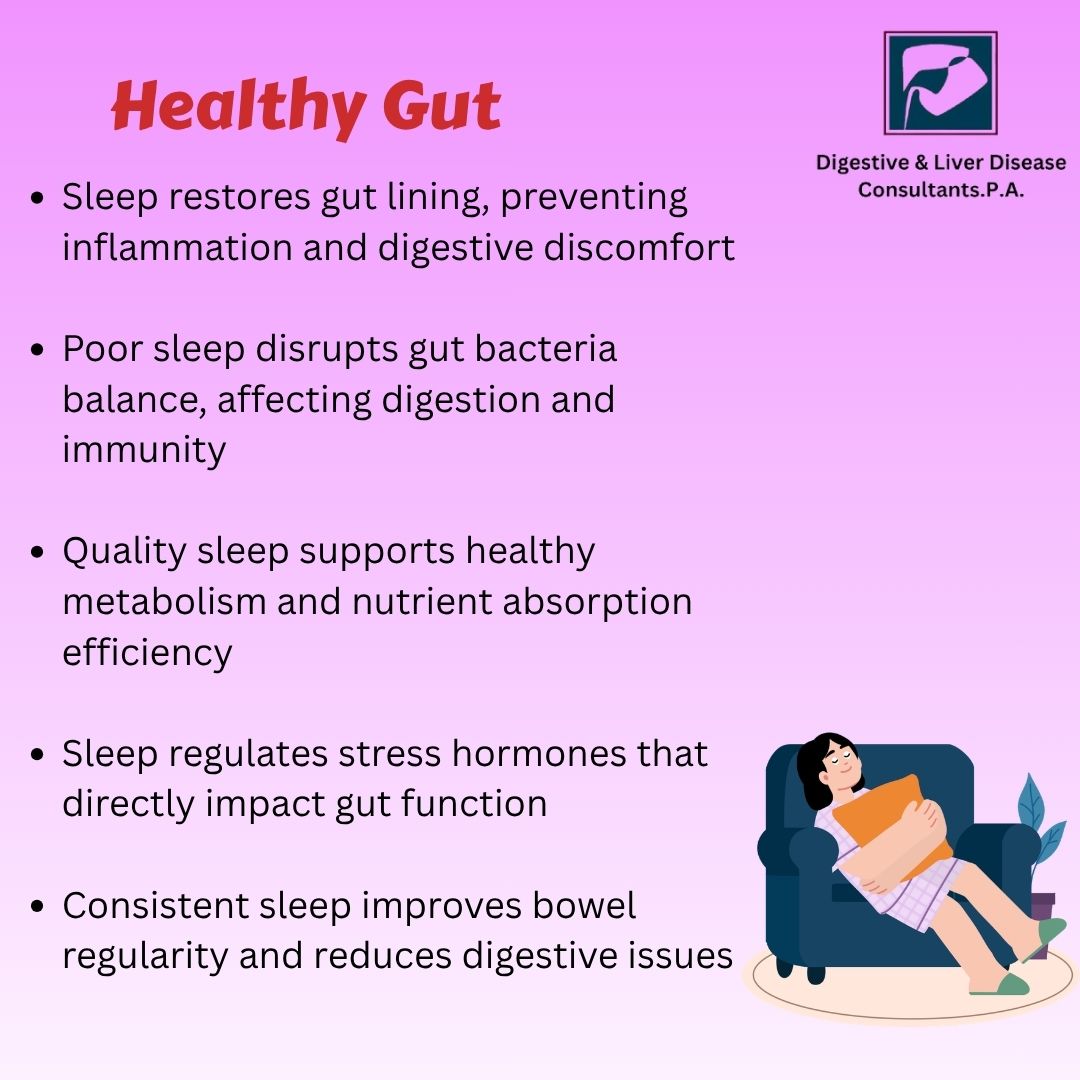
How Sleep Affects Digestion
Understanding how sleep affects digestion can help you make better lifestyle choices. Here are some key ways sleep influences your digestive system:
1. Regulates Digestive Hormones
Sleep controls hormones that influence hunger and digestion. Poor sleep increases ghrelin, the hunger hormone, and reduces leptin, the hormone that signals fullness. This imbalance can lead to overeating, indigestion, and weight gain.
2. Supports Gut Motility
Gut motility refers to how food moves through the digestive tract. Proper sleep ensures smooth movement of food. Lack of sleep can slow down digestion, causing bloating, constipation, or discomfort.
3. Maintains Healthy Gut Bacteria
A good sleep cycle helps maintain a balanced gut microbiome. Disrupted sleep can reduce beneficial bacteria and increase harmful ones, negatively impacting gut health and sleep patterns.
4. Reduces Inflammation
Chronic sleep deprivation triggers inflammation in the body. This can worsen digestive conditions like irritable bowel syndrome, acid reflux, and other gastrointestinal disorders.
5. Enhances Nutrient Absorption
Your body repairs and regenerates during sleep. This includes improving the gut lining, which plays a crucial role in nutrient absorption. Without adequate sleep, your body may struggle to absorb essential vitamins and minerals.
Signs Your Gut Health Is Affected by Poor Sleep
It is important to recognize early warning signs that your digestive system is suffering due to lack of sleep. These include:
- Frequent bloating or gas
- Irregular bowel movements
- Acid reflux or heartburn
- Increased cravings for unhealthy foods
- Fatigue even after eating well
- Abdominal discomfort
If you notice these symptoms, your sleep pattern could be a contributing factor.
Importance of Sleep for Digestion
The importance of sleep for digestion goes beyond avoiding discomfort. It is essential for long term digestive health and disease prevention.
When you sleep well, your body gets enough time to repair tissues, regulate enzymes, and maintain the gut lining. This reduces the risk of chronic digestive disorders. On the other hand, continuous lack of sleep can lead to conditions such as obesity, diabetes, and gastrointestinal diseases.
Good sleep also helps manage stress, which is a major trigger for digestive issues. Stress can alter gut function and lead to problems like irritable bowel syndrome. By improving sleep, you indirectly support a healthier digestive system.
Tips to Improve Sleep and Gut Health
Improving sleep quality can have a positive impact on your digestion. Here are some practical tips:
Maintain a Consistent Sleep Schedule
Go to bed and wake up at the same time every day. This helps regulate your internal clock and improves gut health and sleep balance.
Avoid Heavy Meals Before Bed
Eating large meals late at night can disrupt digestion and sleep. Try to have your last meal at least two to three hours before bedtime.
Limit Caffeine and Sugar
Caffeine and sugary foods can interfere with sleep and negatively impact digestion. Reduce intake, especially in the evening.
Stay Hydrated
Drinking enough water supports digestion and helps maintain a healthy gut environment.
Manage Stress
Practice relaxation techniques like meditation, deep breathing, or yoga to reduce stress and improve sleep quality.
Create a Sleep Friendly Environment
Keep your bedroom quiet, dark, and cool. A comfortable environment promotes better sleep and supports digestive health.
Role of the Gut Brain Connection
The gut and brain are closely connected through the gut brain axis. This means your emotional and mental health directly affects your digestive system. Poor sleep can increase stress and anxiety, which in turn disrupt gut function.
Similarly, an unhealthy gut can affect sleep quality. This two way relationship highlights the importance of maintaining both sleep and gut health together. A healthy gut produces neurotransmitters like serotonin, which play a role in sleep regulation.
Long-Term Effects of Poor Sleep on Digestive Health
Ignoring sleep issues can have serious long term consequences for your digestive system. These may include:
- Chronic constipation or diarrhea
- Increased risk of gastrointestinal disorders
- Weakened immune function
- Poor metabolism and weight gain
- Higher risk of liver related conditions
Addressing sleep problems early can prevent these complications and improve overall health.
Why Choose Digestive & Liver Disease Consultants, P. A.?
When it comes to managing digestive health, expert care makes a difference. Digestive & Liver Disease Consultants, P. A. offers comprehensive evaluation and personalized treatment for a wide range of gastrointestinal conditions.
Here is why patients trust their care:
Experienced Specialists
Their team includes highly skilled gastroenterologists with expertise in diagnosing and treating complex digestive and liver conditions.
Advanced Diagnostic Care
They use modern technology and advanced procedures to accurately identify digestive issues and provide effective treatment plans.
Personalized Treatment Approach
Every patient receives customized care based on their unique symptoms, lifestyle, and medical history.
Focus on Preventive Care
They emphasize early detection and preventive strategies to maintain long term digestive health.
Patient Centered Care
From consultation to treatment, the focus remains on patient comfort, education, and overall well being.
When to Seek Medical Help
While lifestyle changes can improve sleep and digestion, certain symptoms require medical attention. Consult a specialist if you experience:
- Persistent abdominal pain
- Unexplained weight loss
- Severe acid reflux
- Blood in stool
- Chronic digestive discomfort
Early diagnosis and treatment can prevent complications and ensure better health outcomes.
Conclusion
The connection between sleep and gut health is powerful and often underestimated. Quality sleep supports digestion, maintains a healthy gut microbiome, and reduces the risk of chronic digestive conditions. By understanding how sleep affects digestion and making simple lifestyle changes, you can significantly improve your digestive health.
Prioritizing sleep is not just about feeling rested. It is an essential step toward a healthier digestive system and a better quality of life.
If you are experiencing ongoing digestive issues or suspect that poor sleep is affecting your gut health, do not ignore the signs. Consult the experts at Digestive & Liver Disease Consultants, P. A. for accurate diagnosis and personalized care. Take the first step toward better health by scheduling your appointment today.