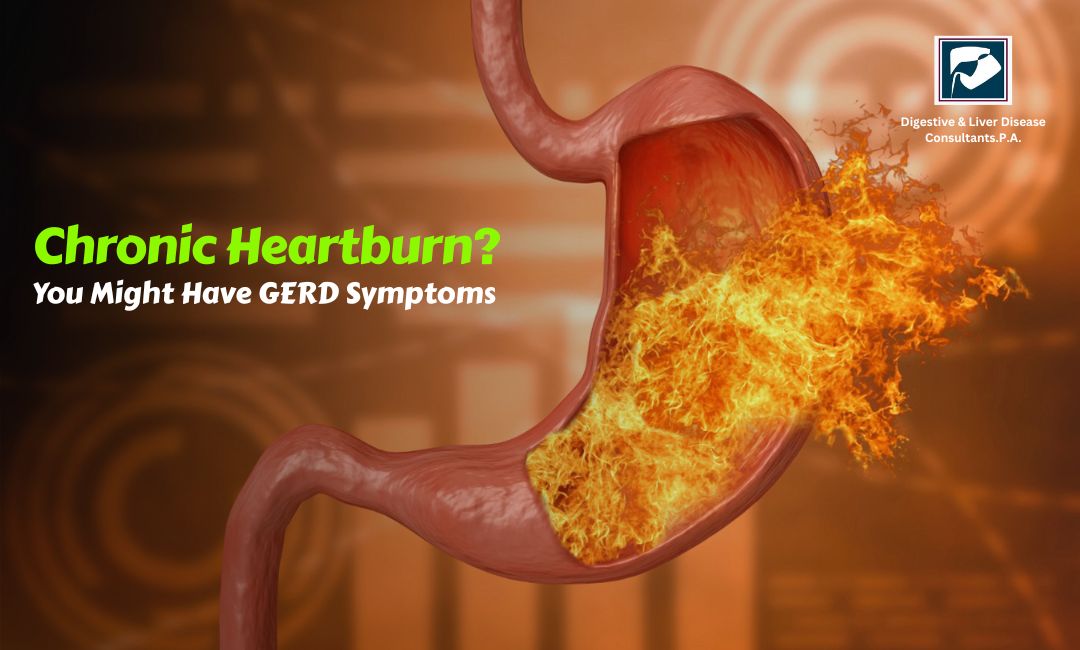
Heartburn is something most people experience occasionally, especially after a heavy meal or late-night snack. But when it becomes frequent, intense, or interferes with your daily life, it could indicate a more serious condition called gastroesophageal reflux disease, commonly known as GERD. Understanding GERD symptoms, chronic heartburn causes, and proper treatment options is essential for managing your digestive health effectively.
Understanding GERD and Its Symptoms
GERD occurs when the lower esophageal sphincter, the valve that separates your stomach from your esophagus, does not function properly. This allows stomach acid to flow back into the esophagus, leading to irritation and discomfort.
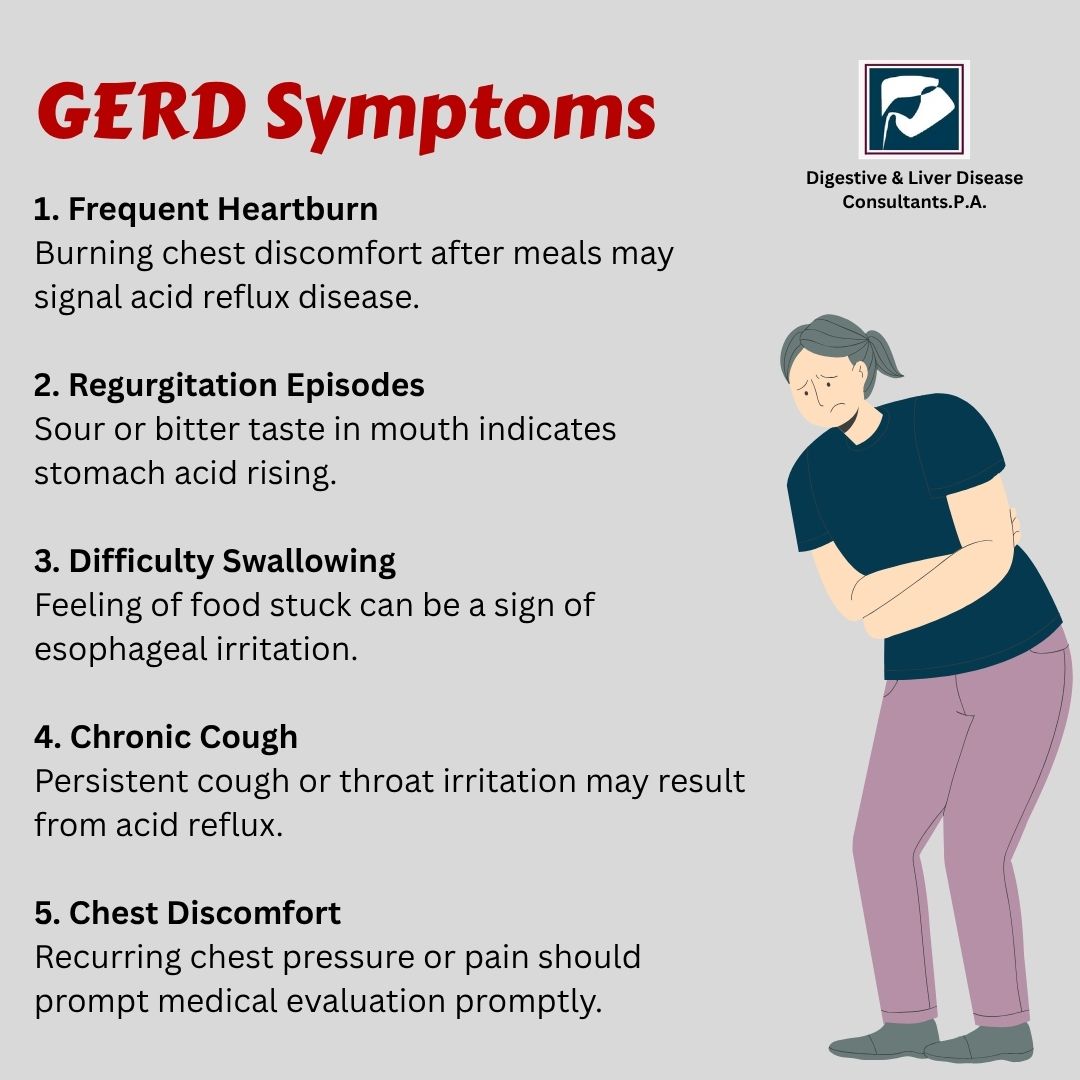
Common acid reflux signs include:
- Persistent heartburn after meals
- Regurgitation of food or sour liquid
- Chest discomfort, especially when lying down
- Difficulty swallowing
- A chronic cough, hoarseness, or sore throat
Frequent heartburn treatment should start with recognizing these symptoms early. Left untreated, GERD can lead to serious complications, including esophagitis, narrowing of the esophagus, and even an increased risk of Barrett's esophagus.
Chronic Heartburn Causes
Several factors contribute to chronic heartburn and GERD:
Dietary habits: Consuming spicy foods, fried items, chocolate, caffeine, and carbonated drinks can trigger acid reflux.
Lifestyle factors: Obesity, smoking, and excessive alcohol consumption weaken the lower esophageal sphincter.
Medical conditions: Hiatal hernia and pregnancy can increase pressure on the stomach, making reflux more likely.
Medications: Certain pain relievers, blood pressure medications, and sedatives can aggravate reflux symptoms.
Identifying the underlying cause of heartburn is crucial for effective management and treatment.
Digestive Disorders Acid Reflux: How It Affects Daily Life?
Chronic acid reflux can significantly impact your quality of life. Individuals with GERD may experience disrupted sleep due to nighttime heartburn, persistent fatigue, and anxiety related to digestive discomfort. Heartburn and regurgitation can also interfere with work, social activities, and overall well-being.
Effective management begins with awareness and early diagnosis.
GERD Diagnosis
Proper GERD diagnosis is the first step toward effective treatment. Gastroenterologists at Digestive & Liver Disease Consultants, P.A. perform a thorough evaluation, which may include:
- Medical history and symptom assessment
- Endoscopy to examine the esophagus lining
- pH monitoring to measure acid levels in the esophagus
- Esophageal manometry to assess esophageal muscle function
Timely GERD diagnosis helps prevent complications and ensures the most appropriate treatment plan is followed.
Treatment Options for Frequent Heartburn
Treatment for GERD typically involves a combination of lifestyle modifications, medications, and in some cases, procedures.
Lifestyle Changes for GERD
Making certain lifestyle changes can significantly reduce acid reflux and chronic heartburn:
- Maintain a healthy weight
- Avoid foods and beverages that trigger reflux
- Eat smaller, more frequent meals instead of large meals
- Avoid lying down immediately after eating
- Elevate the head of the bed to reduce nighttime symptoms
- Quit smoking and limit alcohol consumption
GERD Diet Tips
A well-planned diet can help manage GERD effectively. Some diet tips include:
- Opt for non-citrus fruits, vegetables, whole grains, and lean proteins
- Avoid fried and fatty foods
- Reduce intake of caffeine and carbonated beverages
- Include foods that help neutralize acid, such as oatmeal, ginger, and aloe vera juice
Heartburn Medication Options
Medications are often used to relieve symptoms and protect the esophagus:
- Antacids provide quick relief for occasional heartburn
- H2 blockers reduce acid production and provide longer-lasting relief
- Proton pump inhibitors (PPIs) are highly effective for chronic acid reflux management
- Prokinetic agents help strengthen the lower esophageal sphincter and improve stomach emptying
It is important to consult a gastroenterologist before starting any medication, as long-term use may have side effects.
When to See a Gastroenterologist?
If lifestyle changes and over-the-counter remedies do not relieve symptoms, it is crucial to seek professional care. You should see a gastroenterologist if you experience:
- Heartburn more than twice a week
- Difficulty swallowing or food sticking in the throat
- Unexplained weight loss
- Persistent nausea or vomiting
- Chest pain or severe discomfort
Early intervention can prevent GERD complications and improve long-term digestive health.
Why Choose Digestive & Liver Disease Consultants, P.A.?
Digestive & Liver Disease Consultants, P.A. is a trusted name in gastroenterology, providing comprehensive care for digestive disorders acid reflux and GERD management. Here’s what sets them apart:
Experienced Gastroenterologists: Their team of GI specialists has extensive experience in diagnosing and treating GERD and related digestive disorders.
Advanced Diagnostic Tools: They utilize modern endoscopy, pH monitoring, and esophageal testing to ensure accurate diagnosis.
Personalized Treatment Plans: Every patient receives an individualized approach, including lifestyle guidance, diet planning, and medication management.
Patient-Centered Care: Emphasis on patient education and comfort ensures you understand your condition and treatment options.
Comprehensive Digestive Health Services: From acid reflux remedies to chronic acid reflux management, all digestive health concerns are addressed under one roof.
Choosing Digestive & Liver Disease Consultants, P.A. ensures expert guidance, reliable results, and compassionate care.
Managing GERD Effectively
Combining professional care with daily management strategies can significantly improve outcomes:
- Track triggers to understand what worsens symptoms
- Follow the GERD diet tips consistently
- Take prescribed medications correctly
- Schedule regular follow-ups with your gastroenterologist
- Consider stress management techniques such as yoga or meditation, as stress can exacerbate reflux symptoms
With dedication and professional guidance, most patients can manage GERD successfully and reduce the risk of long-term complications.
GERD Complications to Watch For
If left untreated, GERD can lead to serious health issues:
- Esophagitis (inflammation of the esophagus)
- Strictures or narrowing of the esophagus
- Barrett's esophagus, which can increase cancer risk
- Chronic cough, asthma-like symptoms, or dental erosion
Awareness of these complications highlights the importance of early detection and consistent management.
Conclusion
Chronic heartburn is more than just occasional discomfort. Recognizing GERD symptoms and understanding chronic heartburn causes is the first step toward effective management. Combining lifestyle changes, proper diet, medication, and expert care can dramatically improve your digestive health.
Digestive & Liver Disease Consultants, P.A. offers advanced diagnostics, personalized treatment, and compassionate care, making it the ideal choice for managing GERD and other digestive disorders.
Take the first step toward relief. Schedule your consultation with Digestive & Liver Disease Consultants, P.A. and reclaim comfort in your daily life.