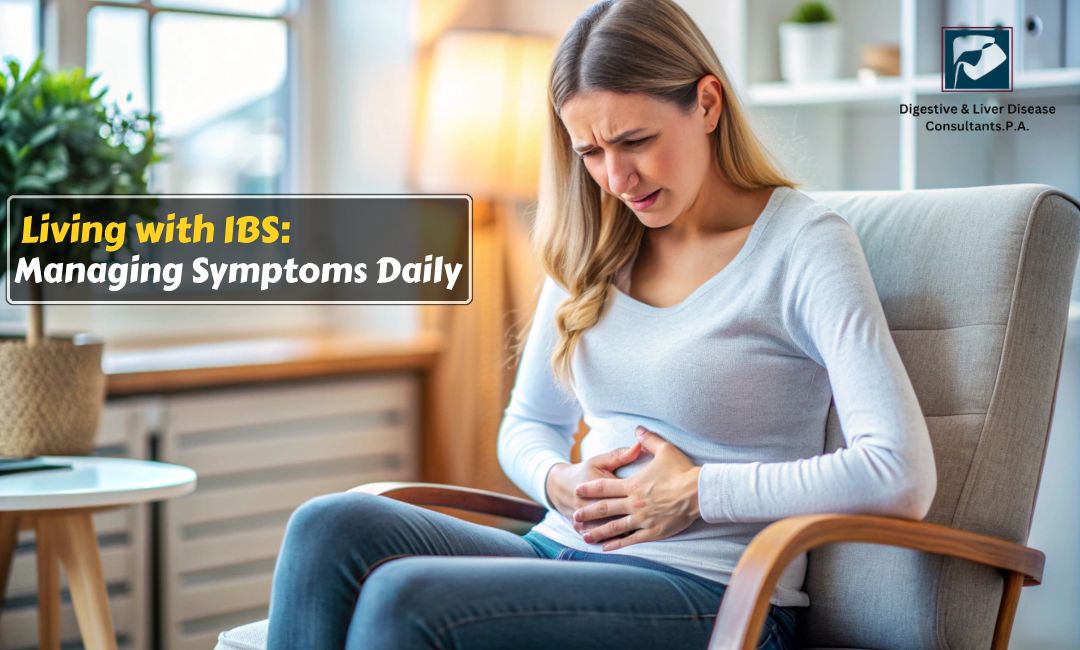
Living with Irritable Bowel Syndrome can be challenging, but with the right strategies, it is possible to lead a comfortable and fulfilling life. IBS is a common digestive condition that affects the large intestine and causes symptoms like abdominal pain, bloating, gas, diarrhea, and constipation. While there is no permanent cure, effective irritable bowel syndrome management can significantly reduce discomfort and improve quality of life.
Understanding IBS Symptoms and Treatment
IBS symptoms vary from person to person. Some individuals experience frequent diarrhea, while others deal with constipation or a mix of both. Common symptoms include:
- Abdominal cramps or pain
- Bloating and excess gas
- Changes in bowel habits
- Mucus in stool
- Feeling of incomplete bowel movement
Recognizing your specific triggers is a key step in IBS symptoms and treatment. Certain foods, stress, hormonal changes, and lifestyle habits can worsen symptoms. A personalized approach is essential for long-term relief.
How to Manage IBS Effectively
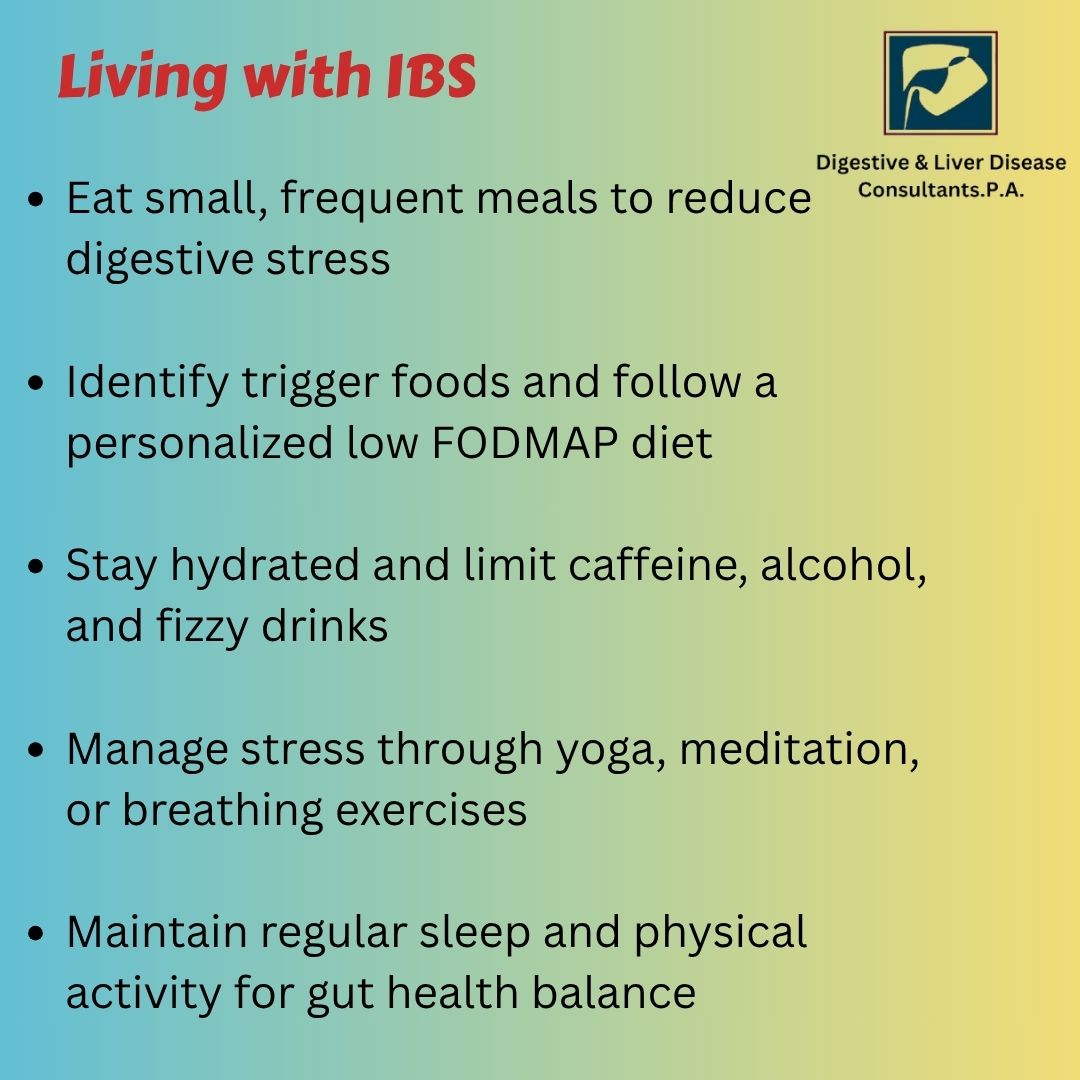
When it comes to how to manage IBS, consistency is crucial. Small, daily habits can make a big difference in symptom control.
1. Follow a Gut-Friendly Diet
Diet plays a major role in IBS daily management tips. Many patients benefit from identifying trigger foods and avoiding them.
Common dietary tips include:
- Eat smaller, frequent meals instead of large portions
- Limit spicy, oily, and processed foods
- Reduce caffeine and carbonated drinks
- Increase fiber intake gradually
- Stay hydrated throughout the day
Some individuals may benefit from a low FODMAP diet, which reduces certain fermentable carbohydrates that trigger IBS symptoms.
2. Manage Stress Levels
Stress is a major trigger for IBS flare-ups. The gut and brain are closely connected, and emotional health directly impacts digestion.
Effective stress management techniques include:
- Meditation and deep breathing exercises
- Yoga or light physical activity
- Maintaining a consistent sleep schedule
- Engaging in hobbies or relaxation activities
Reducing stress is an essential part of irritable bowel syndrome management.
3. Stay Physically Active
Regular exercise helps regulate bowel movements and reduces stress. Activities like walking, swimming, and yoga can improve digestion and overall well-being.
Aim for at least 30 minutes of moderate activity most days of the week. Even simple movements can help ease symptoms and support how to manage IBS effectively.
4. Keep a Symptom Diary
Tracking your daily food intake, stress levels, and symptoms can help identify patterns. A symptom diary is one of the most practical IBS daily management tips.
This helps you and your doctor:
- Identify trigger foods
- Monitor symptom severity
- Adjust treatment plans accordingly
5. Consider Medical Treatment
While lifestyle changes are essential, some patients require medical support for IBS symptoms and treatment.
Doctors may recommend:
- Antispasmodic medications for abdominal pain
- Laxatives for constipation
- Anti-diarrheal medications
- Probiotics to improve gut health
- Prescription medications for severe IBS
Consulting a specialist ensures you receive the right diagnosis and tailored treatment plan.
Daily Routine Tips for Living with IBS
Creating a structured daily routine can help minimize flare-ups and improve comfort.
Here are simple yet effective IBS daily management tips:
- Start your day with a balanced, light breakfast
- Avoid skipping meals
- Drink plenty of water
- Limit late-night eating
- Practice mindful eating and chew food slowly
- Take short breaks to relax during stressful workdays
Consistency in daily habits plays a crucial role in living with IBS successfully.
Foods to Include and Avoid
Dietary awareness is central to irritable bowel syndrome management.
Foods to Include
- Oats and whole grains
- Bananas and berries
- Cooked vegetables like carrots and spinach
- Lean proteins such as chicken and fish
- Yogurt with probiotics
Foods to Avoid
- Fried and fatty foods
- Spicy dishes
- Dairy products if lactose intolerant
- Artificial sweeteners
- Carbonated beverages
Each individual may react differently, so personal observation is important.
Emotional Well-being and IBS
Living with IBS can affect mental health, leading to anxiety or frustration. It is important to address emotional well-being alongside physical symptoms.
Support options include:
- Talking to a therapist
- Joining IBS support groups
- Practicing mindfulness techniques
- Building a strong support system
A positive mindset can significantly improve IBS symptoms and treatment outcomes.
When to See a Doctor
While IBS is manageable, certain symptoms require medical attention.
Consult a doctor if you experience:
- Unexplained weight loss
- Blood in stool
- Severe or persistent abdominal pain
- Sudden changes in bowel habits
- Symptoms that disrupt daily life
Early medical intervention ensures better management and rules out other serious conditions.
Why Choose Digestive & Liver Disease Consultants, P. A.?
When it comes to expert care for IBS, choosing the right healthcare provider makes all the difference. Digestive & Liver Disease Consultants, P. A. is dedicated to providing comprehensive and personalized care for patients dealing with digestive disorders.
Here is why patients trust their services:
- Experienced specialists with expertise in IBS symptoms and treatment
- Advanced diagnostic tools for accurate evaluation
- Personalized treatment plans tailored to individual needs
- Focus on long-term irritable bowel syndrome management
- Compassionate care and patient-centered approach
- Guidance on diet, lifestyle, and preventive care
Their team understands the complexities of living with IBS and works closely with patients to improve their quality of life.
Conclusion
Living with IBS requires patience, awareness, and consistency. By adopting the right dietary habits, managing stress, staying active, and seeking medical guidance, you can effectively control symptoms and lead a healthy life. Irregular routines and unmanaged triggers can worsen the condition, but proactive care can make a significant difference.
If you are struggling with IBS symptoms, remember that help is available. The right support system and expert guidance can transform your journey toward better digestive health.
If you are experiencing ongoing digestive discomfort, do not ignore the signs. Consult the specialists at Digestive & Liver Disease Consultants, P. A. for expert diagnosis and personalized IBS symptoms and treatment. Take the first step toward better health and a more comfortable life today.