Rectal pain and bleeding are symptoms that often cause anxiety, but they are also commonly misunderstood. Two of the most frequent anorectal disorders responsible for these symptoms are hemorrhoids and anal fissures. Because both conditions can cause discomfort and bleeding during bowel movements, many people assume they are the same. They are not.
Understanding hemorrhoids vs anal fissures, their causes, symptoms, and treatment options helps patients seek timely and appropriate care. This article explains the difference between hemorrhoids and fissures in a clear and practical way.
What Are Hemorrhoids?
Hemorrhoids, also known as piles, are swollen and inflamed veins in the lower rectum or anus. They develop when increased pressure causes these veins to stretch and swell.
Hemorrhoids are broadly classified into
- Itenrnal hemorrhoids, which develop inside the rectum
- External hemorrhoids, which form under the skin around the anus
Hemorrhoids Symptoms
Common hemorrhoids symptoms include
- Bright red rectal bleeding during or after bowel movements
- Blood on toilet paper or in the toilet bowl
- Itching or irritation around the anus
- Swelling or a lump near the anal opening
- Discomfort or pressure in the rectal area
Internal hemorrhoids usually cause painless bleeding, while external hemorrhoids may cause pain if a blood clot forms.
What Is an Anal Fissure?
An anal fissure is a small tear or cut in the lining of the anus. It often occurs due to trauma caused by passing hard or large stools.
Unlike hemorrhoids, anal fissures involve a break in the skin rather than swollen blood vessels.
Anal Fissure Symptoms
Typical anal fissure symptoms include
- Sharp, severe pain during bowel movements
- Burning or tearing sensation after passing stool
- Bright red blood on stool or tissue
- Visible crack or tear near the anus
- Fear of bowel movements due to pain
Pain during bowel movements is usually much more intense with fissures than with hemorrhoids.
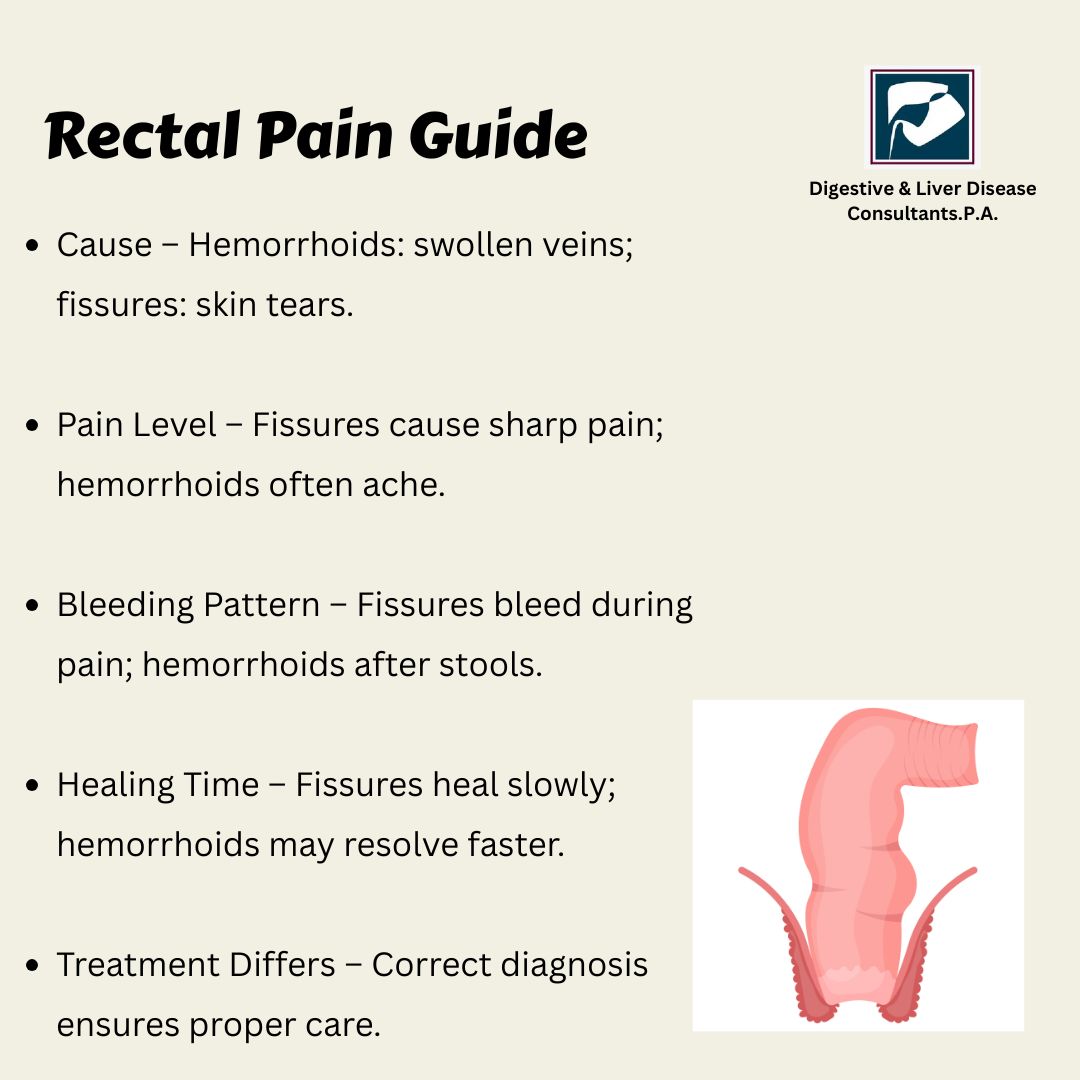
Hemorrhoids vs Anal Fissures: Key Differences
Understanding the difference between hemorrhoids and fissures becomes easier when comparing their main features.
Type of Pain
- Hemorrhoids may cause mild discomfort or pressure
- Anal fissures cause sharp, severe pain during and after bowel movements
Bleeding Pattern
- Hemorrhoids usually cause painless rectal bleeding
- Anal fissures cause bleeding accompanied by significant pain
Location
- Hemorrhoids are swollen veins inside or outside the anus
- Anal fissures are tears in the anal lining
Duration
- Hemorrhoids may come and go
- Anal fissures may persist if not treated properly
This comparison also explains why people often confuse piles vs fissures, especially when rectal bleeding is present.
Causes of Hemorrhoids
Understanding the causes of hemorrhoids helps in both prevention and treatment.
Common causes include
- Chronic constipation
- Straining during bowel movements
- Prolonged sitting, especially on the toilet
- Pregnancy
- Obesity
- Low fiber diet
Increased pressure in the rectal veins is the primary mechanism behind hemorrhoid formation.
Causes of Anal Fissures
The causes of anal fissures are usually related to trauma to the anal canal.
Common causes include
- Passing hard or dry stools
- Chronic constipation and fissures
- Repeated straining
- Diarrhea in some cases
- Childbirth
- Inflammatory bowel disease
Because pain leads to stool withholding, fissures can become chronic if not treated early.
Rectal Bleeding Causes: Why Proper Diagnosis Matters
Rectal bleeding causes range from minor conditions to serious diseases. While hemorrhoids and fissures are common reasons, bleeding should never be assumed to be harmless without evaluation.
Other causes of rectal bleeding include
- Inflammatory bowel disease
- Colon polyps
- Colorectal cancer
- Infections
- Other anorectal disorders
Accurate diagnosis ensures that serious conditions are not missed.
Pain During Bowel Movements: What It Suggests
Pain during bowel movements is a key symptom that helps differentiate between conditions.
- Severe, sharp pain suggests an anal fissure
- Mild discomfort or pressure suggests hemorrhoids
- Persistent pain with swelling may indicate thrombosed hemorrhoids
Any ongoing rectal pain and bleeding should be evaluated by a specialist.
Hemorrhoids Treatment Options
Treatment depends on the severity of symptoms.
Common hemorrhoids treatment options include
- Increasing dietary fiber
- Adequate hydration
- Stool softeners
- Topical medications
- Warm sitz baths
- Minimally invasive procedures for severe cases
Most hemorrhoids improve with conservative care and lifestyle changes.
Anal Fissure Treatment
Anal fissure treatment focuses on healing the tear and preventing further injury.
Treatment options include
- Stool softeners
- Fiber supplementation
- Adequate fluid intake
- Medications to relax the anal muscles
- Sitz baths
- Advanced treatments for chronic fissures
Early treatment significantly improves healing and prevents chronic fissures.
When to See a Doctor for Rectal Pain?
Medical evaluation is important if you experience
- Persistent rectal pain and bleeding
- Severe pain during bowel movements
- Bleeding that does not improve
- Symptoms lasting more than a few weeks
- Recurrent episodes
Knowing when to see a doctor for rectal pain can prevent complications and ensure proper treatment.
Why Choose Digestive & Liver Disease Consultants, P.A.?
Anorectal disorders require careful evaluation and expert management. Digestive & Liver Disease Consultants, P.A. provides comprehensive care for conditions such as hemorrhoids, anal fissures, and other digestive issues.
Why patients trust our team
- Board certified gastroenterologists
- Advanced diagnostic tools
- Personalized treatment plans
- Expertise in managing rectal bleeding causes
- Compassionate and confidential care
Our approach focuses on accurate diagnosis, effective treatment, and long term relief.
Conclusion
While hemorrhoids and anal fissures share similar symptoms, they are distinct conditions with different causes and treatments. Understanding hemorrhoids vs anal fissures helps patients recognize symptoms early and seek appropriate care.
Rectal pain and bleeding should never be ignored. With timely diagnosis and proper treatment, most anorectal disorders can be managed effectively and safely.
If you are experiencing rectal pain, bleeding, or pain during bowel movements, consult our best gastro specialist at Digestive & Liver Disease Consultants, P.A. Early evaluation can provide relief, prevent complications, and restore your digestive comfort. Schedule your appointment today.