Irritable Bowel Syndrome, often called IBS, is one of the most common digestive disorders seen in adults. Many people live with symptoms for years, assuming bloating, bowel changes, or abdominal pain are just part of everyday life. Here’s the thing. While IBS is considered a functional bowel disorder, not every symptom should be brushed aside.
Some IBS symptoms are mild and manageable. Others may signal worsening disease, complications, or even a condition that looks like IBS but is more serious. Knowing which symptoms deserve medical attention is key to protecting your long term gut health.
Understanding IBS and Its Nature
IBS affects how the digestive system functions, not how it looks. Tests often appear normal, yet symptoms can be disruptive and persistent. This is why IBS is classified as a functional bowel disorder.
IBS symptoms in adults vary widely and may include
- Abdominal pain
- Bloating
- Gas
- Diarrhea
- Constipation
- Alternating bowel habits
Symptoms often come and go in flares, known as IBS flare symptoms, and are commonly triggered by food, stress, or hormonal changes.
IBS Symptoms That Are Common but Often Ignored
Chronic Bloating and IBS
Chronic bloating and IBS frequently go hand in hand. Feeling swollen or full after meals is common, but persistent bloating that affects daily comfort should not be ignored.
Red flags include
- Bloating that worsens over time
- Visible abdominal distension
- Bloating accompanied by pain or bowel changes
Chronic bloating may indicate poor gut motility, food sensitivities, or imbalance in gut bacteria.
Abdominal Pain IBS Patterns
Abdominal pain IBS patients experience is usually crampy and linked to bowel movements. Pain that improves after passing stool is typical for IBS.
However, pain becomes concerning when
- It wakes you up at night
- It steadily worsens
- It does not improve with bowel movements
- It is associated with fever or weight loss
Persistent or severe abdominal pain IBS sufferers should not self manage without medical evaluation.
IBS Bowel Changes
IBS bowel changes are one of the defining features of the condition. These may include
- Diarrhea
- Constipation
- Alternating diarrhea and constipation
Diarrhea constipation IBS patterns can feel unpredictable and frustrating. While bowel irregularity is common in IBS, sudden or progressive changes deserve attention.
IBS Red Flags You Should Never Ignore
Certain symptoms are not typical IBS symptoms and may suggest IBS vs serious gut disease.
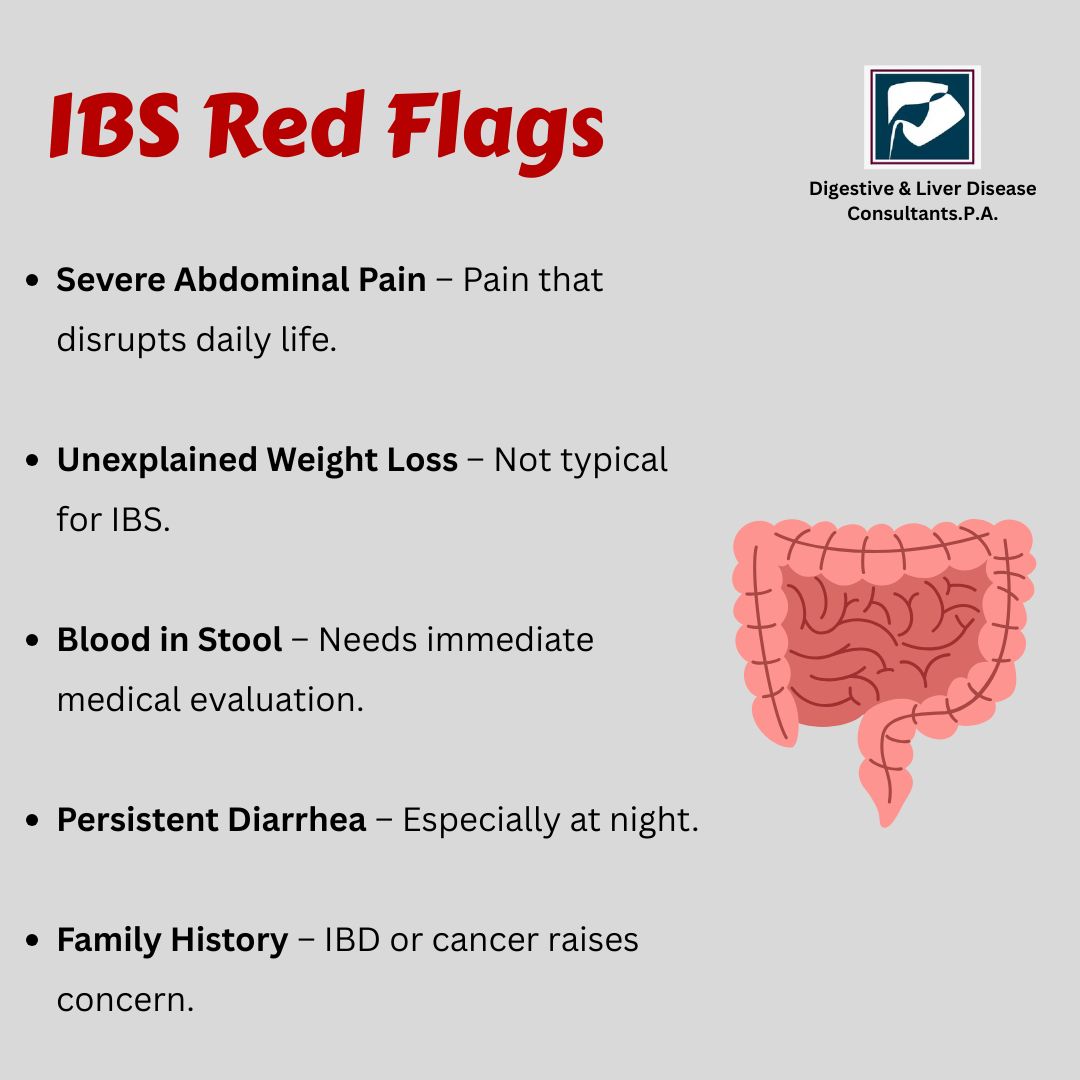
These IBS red flags include
- Blood in stool
- Unexplained weight loss
- Persistent vomiting
- Fever
- Anemia
- Difficulty swallowing
- Symptoms starting after age 50
These irritable bowel syndrome warning signs require prompt medical evaluation and should not be attributed to stress or diet alone.
When IBS Needs Medical Care
Many people try to manage IBS symptoms on their own through diet changes or home remedies. While this works for some, there are times when IBS needs medical care.
You should seek professional help if
- Symptoms interfere with work or daily life
- IBS flare symptoms become more frequent or severe
- Pain is persistent or worsening
- Diarrhea leads to dehydration
- Constipation lasts for weeks despite lifestyle changes
Early evaluation helps rule out other digestive discomfort causes and ensures appropriate treatment.
IBS vs Serious Gut Disease
One of the biggest concerns for patients is distinguishing IBS vs serious gut disease. Conditions like inflammatory bowel disease, celiac disease, colon infections, or colon cancer can mimic IBS symptoms.
Key differences include:
- IBS does not cause intestinal damage
- IBS does not cause bleeding or cancer
- Serious gut diseases often show progressive symptoms
This is why a proper diagnosis is essential, especially when gut health warning signs are present.
IBS Symptom Checklist
Use this IBS symptom checklist to assess whether your symptoms need medical attention.
Common IBS symptoms:
- Recurrent abdominal pain
- Bloating or gas
- Diarrhea or constipation
- Mucus in stool
- Feeling of incomplete bowel movement
Warning signs beyond IBS
- Blood in stool
- Nighttime symptoms
- Unintentional weight loss
- Persistent fatigue
- Fever
If you experience symptoms from both categories, further evaluation is strongly advised.
Functional Bowel Disorder Signs vs Alarm Symptoms
Functional bowel disorder signs like IBS are driven by gut sensitivity and altered motility. Alarm symptoms suggest structural or inflammatory disease.
Functional signs include:
- Pain related to bowel movement
- Symptoms linked to stress or meals
- Fluctuating symptom severity
Alarm symptoms include:
- Progressive pain
• Persistent diarrhea at night
• Significant weight loss
• Anemia
Knowing the difference helps guide timely care.
Why IBS Symptoms Are Often Dismissed?
IBS symptoms in adults are commonly dismissed because
- Tests may appear normal
- Symptoms fluctuate
- Stress is often blamed
However, ongoing digestive discomfort causes real physical and emotional strain. Dismissing symptoms delays diagnosis and proper management.
How IBS Is Diagnosed?
Diagnosis involves
- Detailed symptom history
- Evaluation of bowel habits
- Ruling out infections or inflammation
- Blood and stool tests when needed
- Colonoscopy in selected cases
Accurate diagnosis ensures IBS is not mistaken for another condition.
Managing IBS Early Makes a Difference
Early diagnosis and management help
- Reduce symptom severity
- Prevent frequent flare ups
- Improve quality of life
- Reduce anxiety related to symptoms
IBS management is most effective when personalized rather than generic.
Why Choose Digestive & Liver Disease Consultants, P.A.?
Managing IBS requires experience, not guesswork. Digestive & Liver Disease Consultants, P.A. provides comprehensive evaluation for IBS and related gut disorders.
Why patients trust our care
- Board certified gastroenterologists
- Expertise in functional bowel disorder signs
- Advanced diagnostic testing
- Individualized treatment plans
- Focus on long term gut health
Our team helps patients understand their symptoms, identify triggers, and rule out serious conditions with confidence.
Conclusion
IBS symptoms are common, but not all symptoms should be ignored. Chronic bloating, abdominal pain, bowel changes, and flare ups may be part of IBS, but red flags like bleeding, weight loss, or worsening pain are not.
Understanding irritable bowel syndrome warning signs empowers you to seek care early and avoid complications. Listening to your body and getting expert guidance makes all the difference.
If you are experiencing persistent IBS symptoms, IBS red flags, or are unsure whether your symptoms point to IBS vs serious gut disease, consult our top gastro specialist at Digestive & Liver Disease Consultants, P.A. Early evaluation leads to clarity, effective management, and better digestive health. Schedule your appointment today.