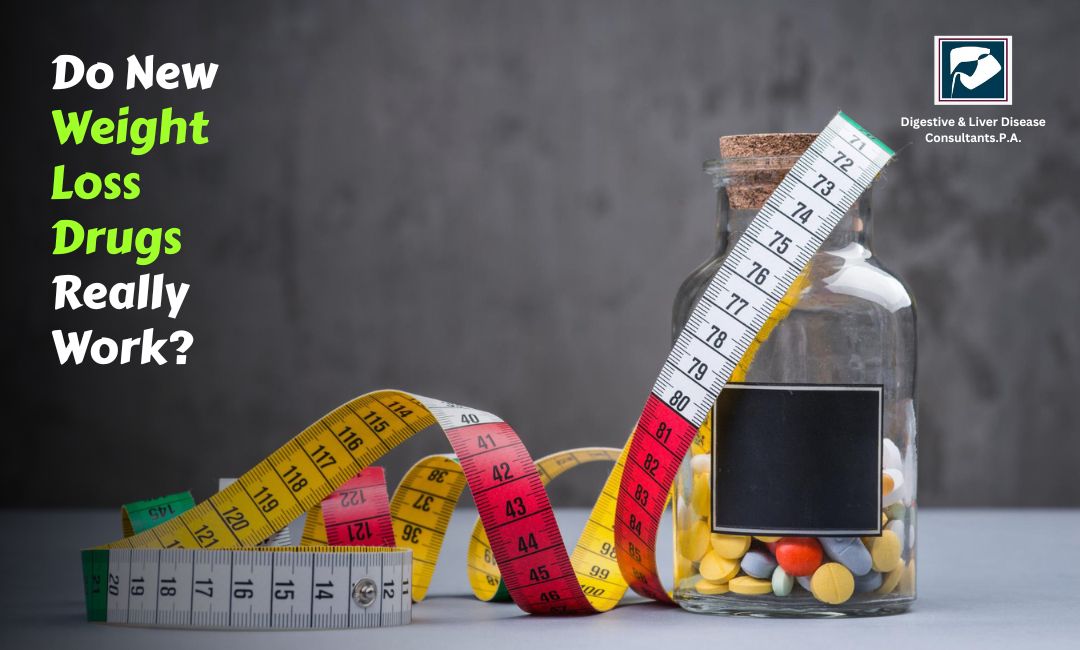
Weight loss has never been simple, especially for people struggling with obesity or weight related health conditions. Diet plans fail, gym routines stall, and motivation fades when results do not last. In recent years, new weight loss drugs have gained massive attention, raising an important question. Do these medications actually work, or are they just another short term solution?
Modern obesity treatments are changing how doctors approach weight management. Instead of blaming willpower alone, medical science now recognizes obesity as a complex, chronic condition influenced by hormones, metabolism, genetics, and lifestyle. Weight loss medications are designed to address these underlying factors.
What Are the New Weight Loss Drugs?
New weight loss drugs belong to a class of medications originally developed to manage diabetes. These drugs work by targeting hormones involved in appetite regulation and blood sugar control.
Among them, GLP-1 weight loss drugs have gained the most attention. GLP-1 is a hormone that helps regulate hunger and fullness. By mimicking this hormone, these medications help people feel full sooner and stay full longer.
One of the most widely discussed options is semaglutide weight loss treatment, which is available as a weekly injection under medical supervision.
How Do Weight Loss Medications Work?
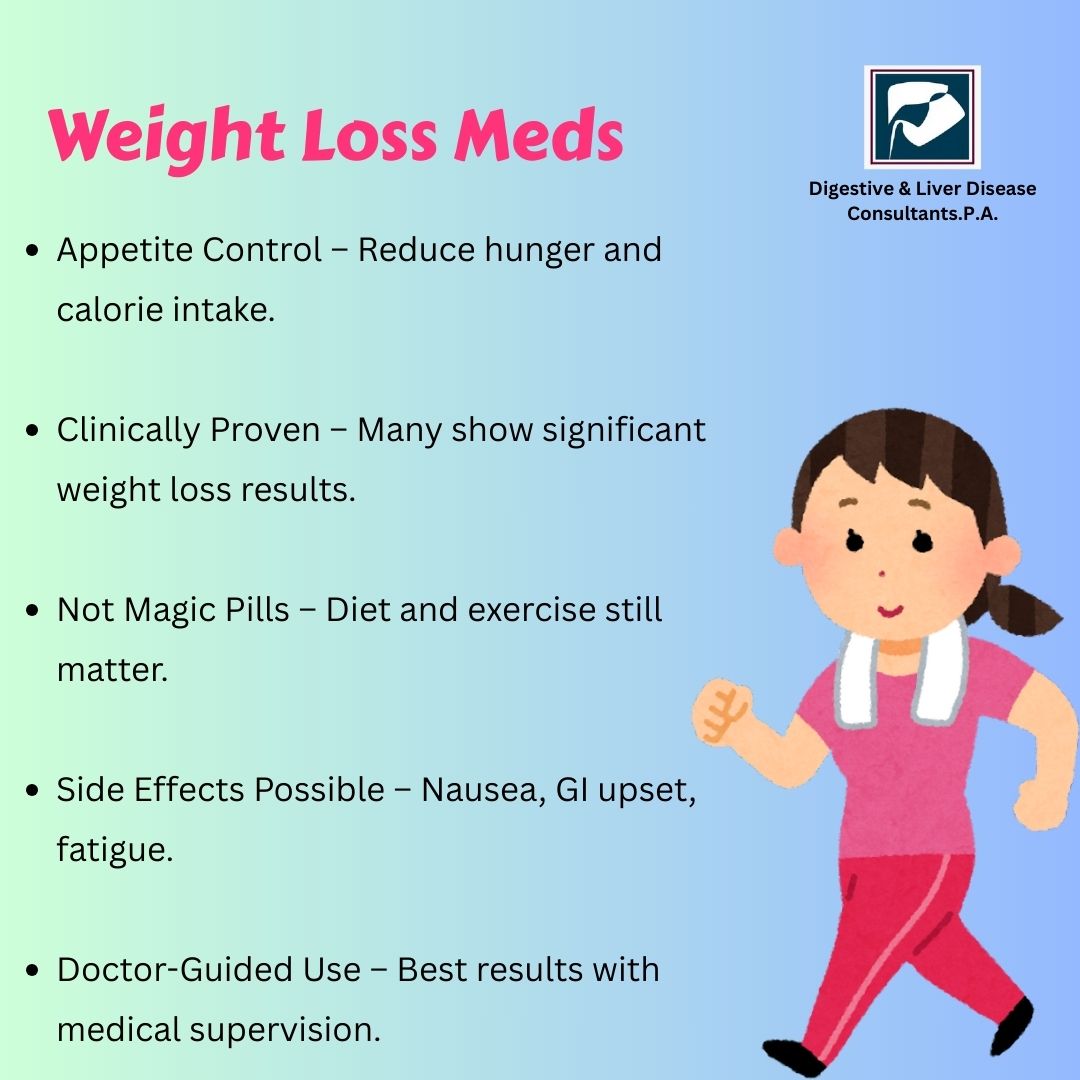
Weight loss medications do not burn fat directly. Instead, they work by changing how the body regulates appetite and food intake.
Most obesity treatment medications help by:
- Reducing hunger signals in the brain
- Slowing stomach emptying
- Improving insulin sensitivity
- Reducing cravings and overeating
This hormonal approach explains why doctor prescribed weight loss treatments can be more effective than diet alone for some individuals.
Weight Loss Medications Effectiveness: What Does the Evidence Show?
Clinical studies and real world use show that weight loss medicine success rate is significantly higher when medications are used alongside lifestyle changes.
On average, patients using GLP-1 weight loss drugs under medical supervision may lose 10 to 20 percent of their body weight over time. These obesity drugs results are notably better than older weight loss pills, which often produced modest or inconsistent outcomes.
Semaglutide weight loss studies have shown sustained weight reduction when patients continue treatment and follow dietary guidance.
Are Weight Loss Drugs a Quick Fix?
No. This is an important distinction.
Medical weight loss options are not shortcuts or cosmetic fixes. They are tools designed to support long term weight management in people who struggle to lose weight through lifestyle changes alone.
Weight loss medications work best when combined with:
- Balanced nutrition
- Regular physical activity
- Behavior modification
- Ongoing medical monitoring
Stopping the medication without addressing lifestyle factors often leads to weight regain.
Weight Loss Injections Safety: What Should Patients Know?
Weight loss injections safety is a common concern, especially for long term use. Like all medications, these drugs have potential side effects.
Common weight loss drug side effects may include
- Nausea
- Vomiting
- Diarrhea
- Constipation
- Reduced appetite
These symptoms are usually mild to moderate and often improve as the body adjusts.
More serious side effects are rare but require medical evaluation. This is why obesity treatment medications should only be used under the guidance of a qualified healthcare provider.
Benefits and Risks of Weight Loss Drugs
Understanding weight loss drugs benefits risks is essential before starting treatment.
Potential Benefits
- Significant and sustained weight loss
- Improved blood sugar control
- Reduced risk of heart disease
- Lower blood pressure
- Better mobility and energy levels
For many patients, weight loss also improves sleep, joint pain, and overall quality of life.
Potential Risks
- Gastrointestinal side effects
- Risk of weight regain if stopped abruptly
- Not suitable for everyone
- Long term commitment required
This balance highlights the importance of personalized treatment rather than one size fits all solutions.
Long Term Weight Loss Drugs: Do Results Last?
Long term weight loss drugs can be effective when used correctly. Obesity is a chronic condition, much like diabetes or hypertension. This means long term management is often necessary.
Studies show that patients who continue medication and maintain healthy habits are more likely to sustain weight loss. Those who stop treatment without lifestyle changes may regain weight.
This does not mean medications must be taken forever, but it does mean weight loss requires ongoing strategy and follow up.
Who Is a Good Candidate for Weight Loss Medications?
Doctor prescribed weight loss medications are typically recommended for individuals who
- Have a body mass index of 30 or higher
- Have a BMI of 27 or higher with obesity related conditions
- Have not achieved weight loss through diet and exercise alone
- Are committed to long term lifestyle changes
A thorough medical evaluation is essential before starting any obesity drugs.
How New Weight Loss Drugs Compare to Older Treatments?
Older weight loss medications often focused on appetite suppression alone and came with higher risks and lower success rates.
Modern obesity treatments target hormonal pathways and metabolic function, making them more effective and better tolerated for many patients.
This shift explains why weight loss medicine success rate is higher today than it was a decade ago.
Medical Weight Loss Is Not Just About the Scale
Effective obesity treatment medications improve more than weight.
Patients often experience
- Better blood sugar control
- Reduced cholesterol levels
- Improved liver health
- Lower inflammation
These benefits reduce the risk of long term complications related to obesity.
Why Medical Supervision Matters?
Weight loss medications should never be self prescribed. Medical weight loss options require careful evaluation, dose adjustment, and monitoring for side effects.
A specialist ensures the treatment is safe, appropriate, and aligned with your overall health goals.
Conclusion
So, do new weight loss drugs really work? The answer is yes, for the right patients, when used correctly. GLP-1 weight loss drugs, including semaglutide weight loss treatments, have shown impressive obesity drugs results backed by strong medical evidence.
However, these medications are not magic solutions. They work best as part of a comprehensive, doctor guided weight management plan. Understanding weight loss drugs benefits risks, committing to lifestyle changes, and maintaining follow up care are key to long term success.
Weight loss is not about perfection. It is about finding sustainable tools that support your health.
If you are struggling with obesity and want to explore safe, effective medical weight loss options, consult our top gastro specialist at Digestive & Liver Disease Consultants, P.A. Our experts provide personalized evaluation, evidence based obesity treatment medications, and long term support to help you achieve healthier, lasting weight loss. Schedule your consultation today.