Cirrhosis is often described as permanent liver damage, which makes the diagnosis frightening for patients and families. A common and important question many people ask is can cirrhosis be reversed, especially when it is detected early. The answer is more hopeful than many realize. While advanced cirrhosis cannot be undone, early stage cirrhosis reversal is possible in certain cases when the underlying cause is identified and treated promptly.
Understanding how cirrhosis develops, recognizing early warning signs, and taking timely action can significantly improve outcomes and slow or even halt disease progression.
Understanding Liver Cirrhosis Stages
To understand reversal, it helps to know the liver cirrhosis stages.
Early cirrhosis or compensated cirrhosis
At this stage, the liver is scarred but still functioning. Symptoms may be mild or absent, and this is the stage where improvement is most achievable.
Decompensated cirrhosis
Liver function is significantly impaired, leading to complications such as ascites, jaundice, variceal bleeding, or confusion.
End stage liver disease
Severe, irreversible damage often requiring liver transplantation.
The possibility of liver fibrosis reversal and recovery exists mainly during the early stage, before extensive scarring permanently disrupts liver structure.
What Causes Cirrhosis?
Identifying cirrhosis causes is critical because treatment focuses on removing the source of liver injury.
Common causes include:
- Alcohol related cirrhosis due to long term excessive alcohol consumption
- Chronic hepatitis B or C infections
- Non alcoholic fatty liver disease, where fat accumulation progresses from fatty liver to cirrhosis
- Autoimmune liver diseases
- Long term bile duct disorders
- Certain genetic and metabolic conditions
Each cause requires a different approach, which is why personalized liver disease treatment options are essential.
Early Cirrhosis Symptoms You Should Not Ignore
Many patients overlook cirrhosis symptoms early, assuming they are harmless or stress related. Early warning signs may include:
- Persistent fatigue or weakness
- Loss of appetite or unexplained weight loss
- Mild abdominal discomfort
- Nausea or bloating
- Easy bruising
- Mild swelling in legs or ankles
Because these symptoms are subtle, early cirrhosis is often discovered during routine blood tests or imaging. Catching the disease at this stage opens the door for early cirrhosis treatment and better long term outcomes.
Can Early Stage Cirrhosis Be Reversed?
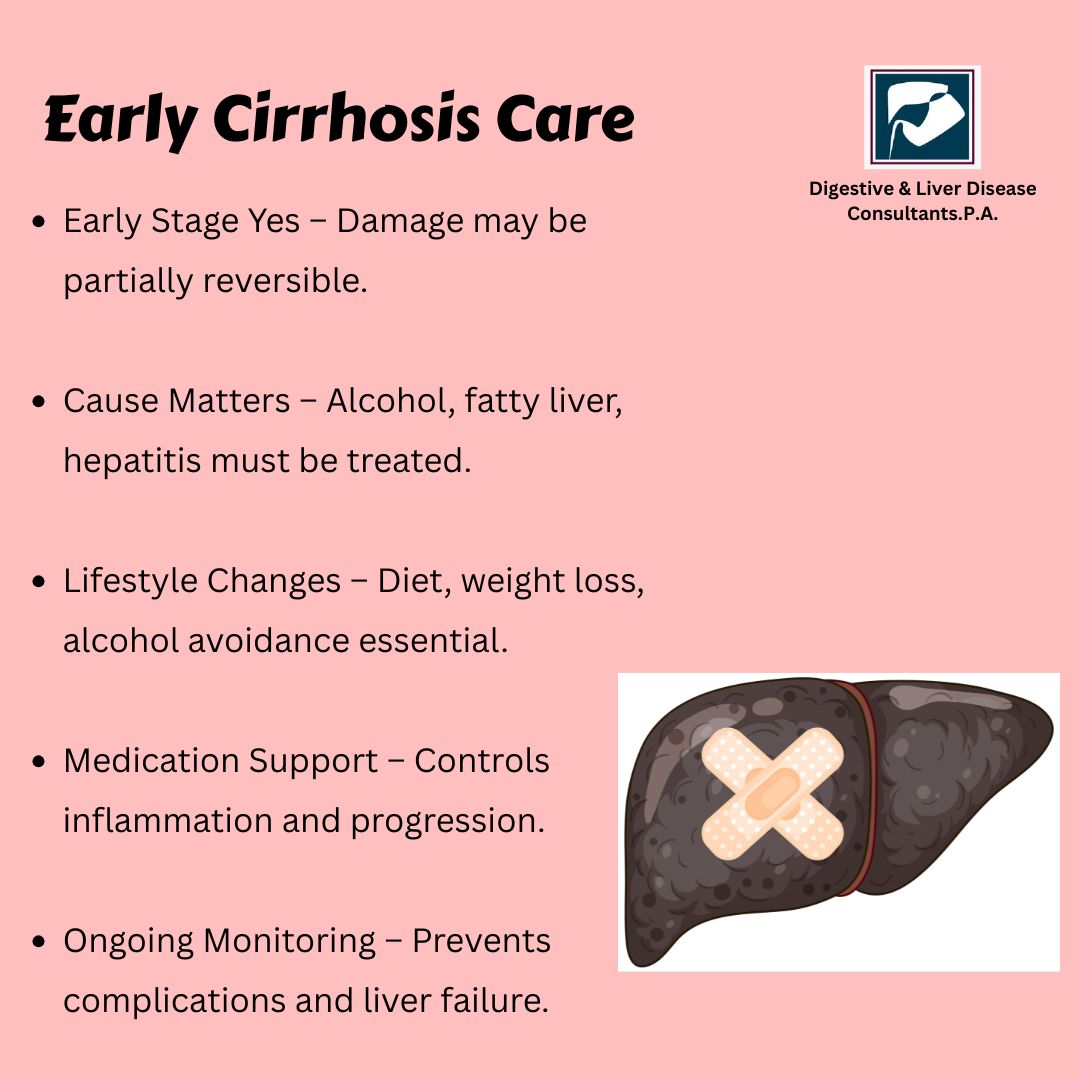
So, can cirrhosis be reversed? The honest medical answer is that scar tissue itself may not completely disappear, but liver damage recovery is possible when further injury is stopped and healthy liver tissue regenerates.
In early stages, removing the cause of damage allows the liver to stabilize and, in some cases, partially heal. This is why doctors now speak more about disease control and managing early cirrhosis rather than declaring it untreatable.
Examples include:
- Abstaining from alcohol in alcohol related cirrhosis
- Weight loss and metabolic control in fatty liver disease
- Antiviral therapy for hepatitis related cirrhosis
- Immunosuppressive therapy for autoimmune liver disease
With proper care, progression can be slowed, complications reduced, and quality of life preserved.
Treatment Options for Early Cirrhosis
Effective early cirrhosis treatment involves a combination of medical care, monitoring, and lifestyle changes.
Medical treatment
- Treating the underlying cause such as antivirals for hepatitis
- Medications to reduce inflammation or immune damage
- Managing complications like portal hypertension
- Regular monitoring with blood tests and imaging
Lifestyle changes for cirrhosis
Lifestyle plays a powerful role in liver fibrosis reversal and long term stability.
- Complete avoidance of alcohol
- Maintaining a healthy body weight
- Balanced nutrition with adequate protein
- Limiting salt intake to prevent fluid retention
- Avoiding unnecessary medications or supplements
These lifestyle changes for cirrhosis help reduce stress on the liver and support healing.
Managing Early Cirrhosis Long Term
Managing early cirrhosis is not a one time effort. It requires consistent follow up and expert guidance. Patients must be monitored for complications such as varices, liver cancer, or worsening fibrosis.
This is where specialized chronic liver disease care becomes essential. A gastroenterologist or hepatologist ensures that subtle changes are detected early and addressed promptly.
When Should You See a Liver Specialist?
Many patients delay care because they feel “mostly fine.” Knowing when to see a liver specialist can prevent irreversible damage.
You should consult a liver specialist if:
- You have abnormal liver blood tests
- Imaging shows liver scarring or fatty liver
- You have a history of heavy alcohol use
- You have chronic hepatitis
- Symptoms persist despite lifestyle changes
Early specialist care significantly improves the chances of stabilizing the disease.
Why Choose Digestive & Liver Disease Consultants, P.A.?
At Digestive & Liver Disease Consultants, P.A., we provide comprehensive, patient focused care for all stages of liver disease. Our team specializes in advanced diagnostics, personalized treatment plans, and long term management of chronic liver conditions.
Patients benefit from:
- Experienced gastroenterologists and liver specialists
- Evidence based liver disease treatment options
- Early detection strategies for liver fibrosis and cirrhosis
- Individualized lifestyle and nutrition guidance
- Ongoing monitoring and preventive care
Our goal is not just treatment, but helping patients live healthier, longer lives through expert chronic liver disease care.
Conclusion
Cirrhosis does not always mean the end of liver health. When detected early, early stage cirrhosis reversal or stabilization is possible through timely intervention, medical treatment, and lifestyle changes. Understanding the liver cirrhosis stages, addressing cirrhosis causes, and committing to long term management can make a meaningful difference.
The key is early action. The sooner cirrhosis is diagnosed and treated, the greater the opportunity for liver damage recovery and improved quality of life.
If you have been diagnosed with cirrhosis or are concerned about early liver disease, do not wait. Consult our top gastro specialist at Digestive & Liver Disease Consultants, P.A. for expert evaluation, personalized treatment, and comprehensive liver care. Schedule your appointment today and take control of your liver health.