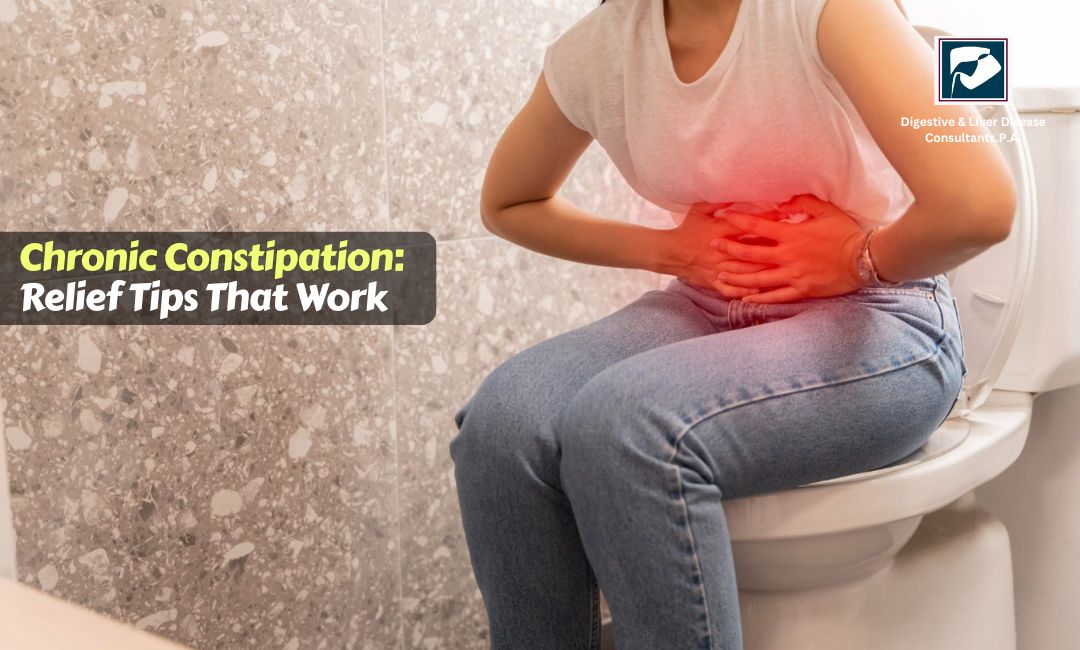
Chronic constipation is more than just an occasional inconvenience. It can affect daily comfort, energy levels, and overall quality of life. Many people struggle with ongoing constipation without realizing that simple lifestyle and dietary changes can bring lasting relief.
Understanding the causes and applying the right constipation treatment tips can help restore regular bowel movements and improve digestive health.
What is Chronic Constipation?
Chronic constipation is typically defined as having fewer than three bowel movements per week or experiencing difficulty passing stools for several weeks or longer.
Common signs include:
- Hard or dry stools
- Straining during bowel movements
- Feeling of incomplete evacuation
- Bloating and abdominal discomfort
- Reduced frequency of bowel movements
If these symptoms persist, it may indicate an underlying digestive issue that needs attention.
Common Causes of Constipation
Constipation can result from a combination of dietary habits, lifestyle factors, and medical conditions.
Key causes include:
- Low fiber intake
- Inadequate hydration
- Sedentary lifestyle
- Ignoring the urge to pass stool
- Excess consumption of processed foods
- Stress and anxiety
- Certain medications
- Conditions like IBS or thyroid disorders
Identifying the root cause is essential for effective long term constipation care.
How to Relieve Constipation Fast?
When constipation becomes uncomfortable, quick relief is often the priority. Here are effective ways to stimulate bowel movement improvement:
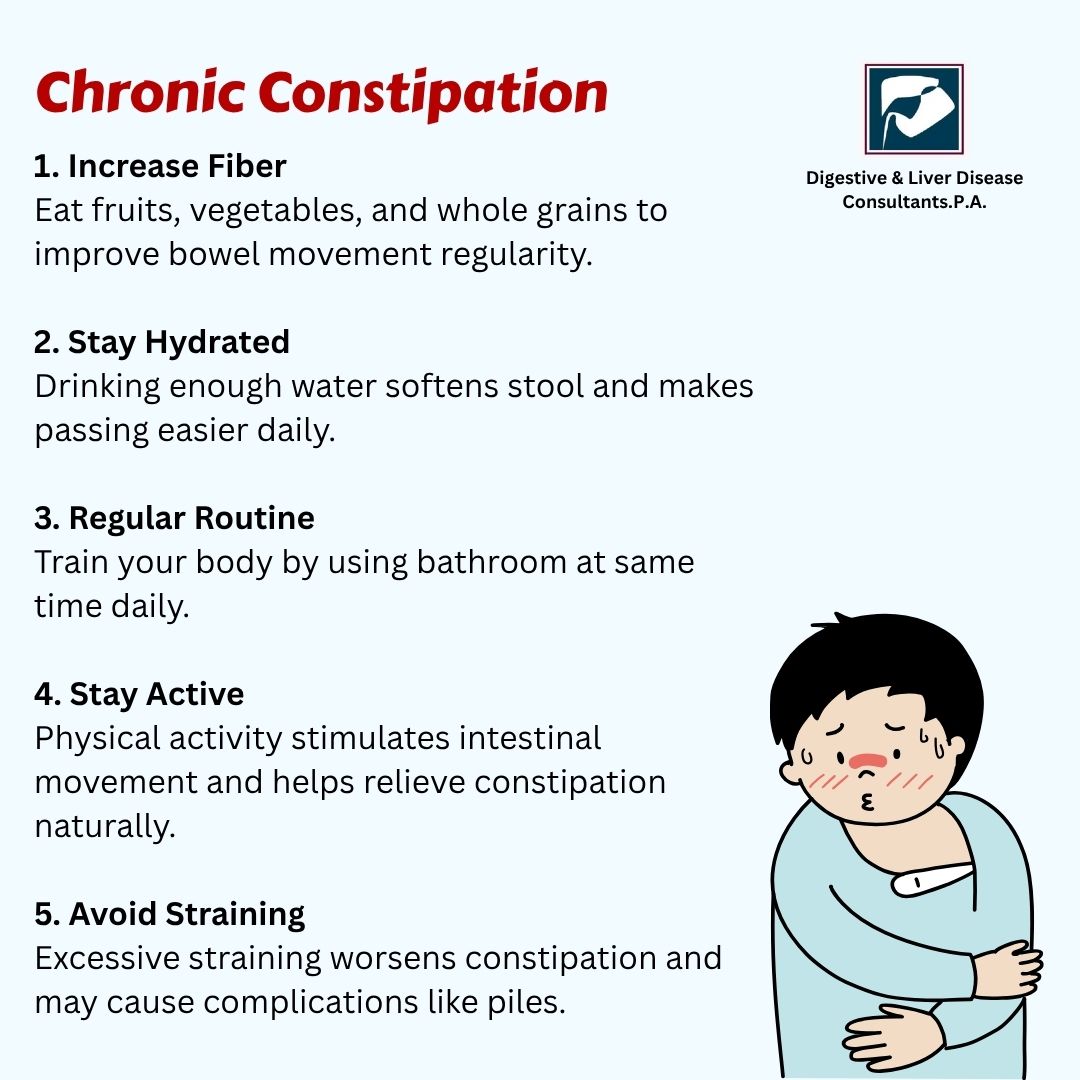
- Drink a glass of warm water in the morning
- Consume fiber-rich fruits like papaya or prunes
- Take a short walk after meals
- Try natural remedies like warm lemon water or herbal teas
- Use stool softening foods such as soaked raisins or figs
These simple steps can help activate gut motility and provide faster relief.
Fiber for Constipation: Why It Matters
Fiber plays a crucial role in improving digestion. It adds bulk to stool and helps it pass more easily through the intestines.
Types of fiber:
- Soluble fiber absorbs water and softens stool
- Insoluble fiber adds bulk and promotes movement
- High-fiber foods to include:
- Whole grains like oats and brown rice
- Fruits such as apples, pears, and berries
- Vegetables like carrots, spinach, and broccoli
- Seeds like chia and flaxseeds
A gradual increase in fiber intake is important to avoid bloating.
Hydration and Constipation
Water is essential for proper digestion. Without enough fluids, stool becomes hard and difficult to pass.
Tips to stay hydrated:
- Drink at least 8 to 10 glasses of water daily
- Include hydrating foods like cucumber and watermelon
- Limit caffeine and sugary drinks
Proper hydration works alongside fiber to support smooth bowel movements.
Natural Remedies for Constipation
Many natural remedies can provide effective constipation relief without medication.
Proven options include:
- Warm lemon water in the morning
- Ginger tea to stimulate digestion
- Triphala or herbal supplements after consulting a doctor
- Castor oil in small amounts when recommended
These remedies help improve gut motility and reduce discomfort naturally.
Constipation Diet Plan
A well-balanced constipation diet plan focuses on whole, unprocessed foods that support digestion.
What to eat:
- High-fiber foods for digestion
- Probiotics for gut health like yogurt and fermented foods
- Prebiotics for digestion such as garlic and onions
- Healthy fats from nuts and seeds
What to avoid:
- Processed and junk foods
- Excess dairy in some individuals
- Fried and greasy foods
- Refined flour products
A consistent digestive health diet can significantly improve bowel habits over time.
Lifestyle Changes for Long Term Constipation Care
Sustainable relief comes from daily habits that support digestive function.
Key lifestyle changes:
- Maintain a regular eating schedule
- Set a fixed time for bowel movements
- Stay physically active with walking or exercise
- Manage stress through relaxation techniques
- Avoid delaying bowel urges
These constipation lifestyle changes help regulate your body’s natural rhythm.
IBS Constipation Relief
For individuals with Irritable Bowel Syndrome with constipation, symptoms can be more complex.
Tips for IBS constipation relief:
- Follow a low FODMAP diet if recommended
- Identify and avoid trigger foods
- Eat smaller, frequent meals
- Consult a specialist for personalized care
Proper management can reduce flare-ups and improve comfort.
Foods That Help Soften Stool
Including stool softening foods in your daily routine can ease bowel movements.
- Bananas and papaya
- Oatmeal
- Flaxseeds soaked in water
- Leafy greens
- Olive oil
These foods help lubricate the digestive tract and support easier elimination.
When to See a Doctor?
While occasional constipation is common, medical attention is necessary if you experience:
- Constipation lasting more than three weeks
- Severe abdominal pain
- Blood in stool
- Sudden unexplained weight loss
- Persistent difficulty despite lifestyle changes
Early evaluation helps rule out serious conditions and ensures proper treatment.
Why Choose Digestive & Liver Disease Consultants, P.A.?
Chronic constipation can sometimes signal deeper digestive issues that require expert care. Digestive & Liver Disease Consultants, P.A. provides specialized support for patients dealing with ongoing gastrointestinal concerns.
- Experienced Gastroenterologists who understand complex digestive conditions
- Advanced Diagnostic Services to identify the root cause of constipation
- Personalized Treatment Plans tailored to individual needs
- Comprehensive Digestive Care including diet, medication, and lifestyle guidance
- Patient-Centered Approach focused on long term relief and prevention
Their expertise ensures accurate diagnosis and effective solutions for lasting digestive health.
Conclusion
Chronic constipation is a manageable condition when addressed with the right approach. Increasing fiber intake, staying hydrated, incorporating natural remedies, and making consistent lifestyle changes can significantly improve bowel movement regularity.
A well-planned constipation diet, combined with gut-friendly foods and physical activity, supports long term digestive wellness. Recognizing early signs and seeking timely care can prevent complications and improve quality of life.
If symptoms persist, professional guidance is essential to identify underlying causes and receive targeted treatment.
Do not let chronic constipation disrupt your daily life. Start making simple dietary and lifestyle changes today to support better digestion.
For expert care and personalized treatment, schedule a consultation with Digestive & Liver Disease Consultants, P.A. and take the first step toward lasting relief and improved digestive health.