

A healthy gut sets the tone for your entire body. Digestion, immunity, metabolism, mood, and even sleep depend on how well your digestive system functions. As 2026 begins, focusing on gut health is one of the smartest decisions you can make for long term wellness.
Gut problems rarely appear overnight. They build slowly through poor food choices, stress, irregular routines, and ignored symptoms. The good news is that small, consistent changes can restore balance and help your digestive system work the way it should.
Why Gut Health Matters More Than You Think?
Your gut is home to trillions of bacteria that help digest food, absorb nutrients, and protect against harmful microbes. When this balance is disturbed, it can lead to bloating, acidity, constipation, diarrhea, fatigue, frequent infections, and chronic digestive conditions.
Poor gut health is also linked to diabetes, fatty liver disease, autoimmune disorders, and mental health issues. What this really means is that improving gut health does not just help your stomach. It supports your entire body.
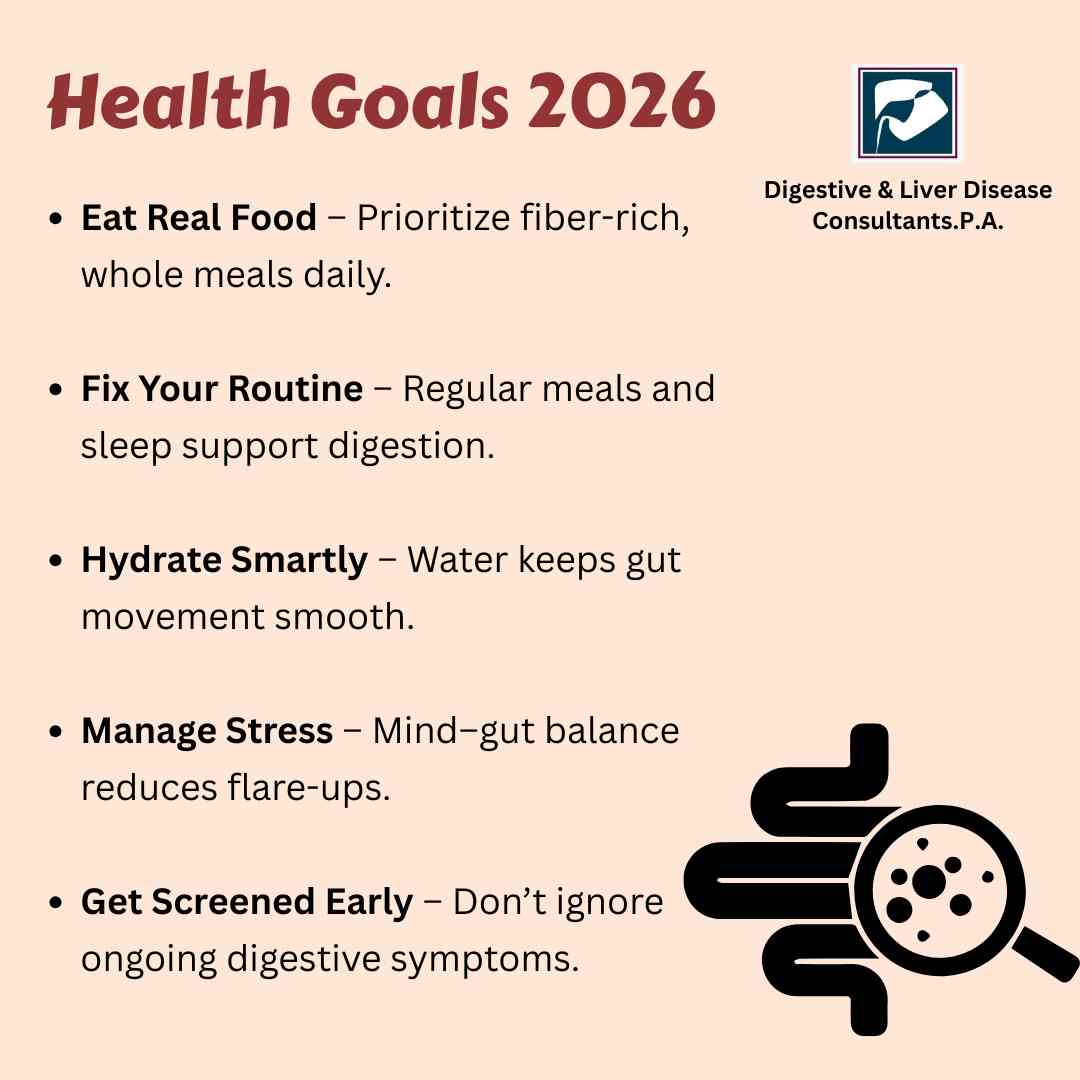
Start With Consistent Eating Habits
One of the biggest mistakes people make is eating at random times. Irregular meals confuse your digestive system and disrupt enzyme release.
To reset your gut in 2026:
- Eat meals at the same time each day
- Avoid skipping breakfast
- Keep dinner light and early
- Chew food slowly and completely
Your gut loves routine. Even simple consistency can reduce bloating, acidity, and indigestion.
Focus on Fiber Rich Foods
Fiber is the foundation of gut health. It feeds good gut bacteria and keeps bowel movements regular.
Include these daily:
- Whole grains like oats and brown rice
- Fruits such as apples, bananas, and berries
- Vegetables including carrots, spinach, and broccoli
- Legumes like lentils and chickpeas
Increase fiber gradually and drink enough water to avoid gas or discomfort.
Add Natural Probiotics to Your Diet
Probiotics are beneficial bacteria that help restore gut balance. They improve digestion and strengthen immunity.
Good natural sources include:
- Yogurt with live cultures
- Buttermilk
- Fermented foods like idli, dosa batter, and pickled vegetables
If you have chronic digestive issues, consult a gastroenterologist before taking probiotic supplements.
Cut Down on Gut Irritants
Certain foods silently damage gut health when consumed regularly.
Limit:
- Processed and packaged foods
- Excess sugar and artificial sweeteners
- Fried and oily items
- Alcohol and carbonated drinks
These foods promote inflammation and disrupt healthy gut bacteria. Reducing them can bring noticeable improvement within weeks.
Stay Hydrated Throughout the Day
Water plays a key role in digestion. It helps break down food, absorb nutrients, and prevent constipation.
Aim for:
- 8 to 10 glasses of water daily
- Warm water in the morning to stimulate bowel movement
- Limiting excessive tea and coffee
Dehydration often shows up as acidity, hard stools, and bloating.
Manage Stress for Better Digestion
Your gut and brain are closely connected. Stress directly affects digestion and gut movement.
Chronic stress can cause:
- Irritable bowel symptoms
- Acid reflux
- Appetite changes
- Abdominal pain
Simple habits that help:
- Deep breathing exercises
- Short daily walks
- Proper sleep schedule
- Limiting screen time before bed
Even ten minutes of calm each day can improve gut function.
Improve Sleep to Heal Your Gut
Poor sleep disrupts gut bacteria and digestion. Late nights and irregular sleep cycles slow down gut repair.
For better gut health:
- Sleep and wake up at the same time daily
- Avoid heavy meals before bedtime
- Reduce mobile and TV use at night
Quality sleep allows your digestive system to reset and heal naturally.
Be Active Without Overdoing It
Physical activity keeps your digestive system moving. You do not need intense workouts.
Gentle activities like:
- Walking
- Yoga
- Stretching
- Light cycling
These improve bowel regularity and reduce gas and bloating. Just thirty minutes a day makes a difference.
Do Not Ignore Digestive Warning Signs
Many people normalize digestive discomfort. This delays diagnosis and treatment.
Watch out for:
- Persistent bloating or gas
- Frequent acidity or heartburn
- Constipation or loose stools lasting weeks
- Unexplained weight loss
- Blood in stools
- Ongoing abdominal pain
These symptoms may indicate conditions like IBS, ulcers, fatty liver disease, or inflammatory bowel disease. Early medical attention prevents complications.
Get a Preventive Digestive Checkup
Starting 2026 with a digestive health assessment can identify hidden issues early. Blood tests, imaging, stool tests, or endoscopy may be advised based on symptoms and risk factors.
People who should not skip checkups include:
- Those with diabetes or obesity
- Long term alcohol users
- Family history of digestive diseases
- Chronic acidity or bowel issues
Preventive care saves time, money, and discomfort in the long run.
Conclusion
Strong gut health is not about extreme diets or quick fixes. It comes from daily habits that support digestion, balance gut bacteria, and reduce inflammation. As you step into 2026, focusing on your gut can improve energy levels, immunity, and overall quality of life.
If you want to begin 2026 with better digestion and lasting gut health, consult the experts at Digestive & Liver Disease Consultants, P. A. Our best gastroenterologists offer comprehensive evaluation and personalized treatment for all digestive and liver conditions.


